
Academy › Single Essential Oils › Lemongrass
Lemongrass Essential Oil
The Vibrant Energy of Tropical Freshness
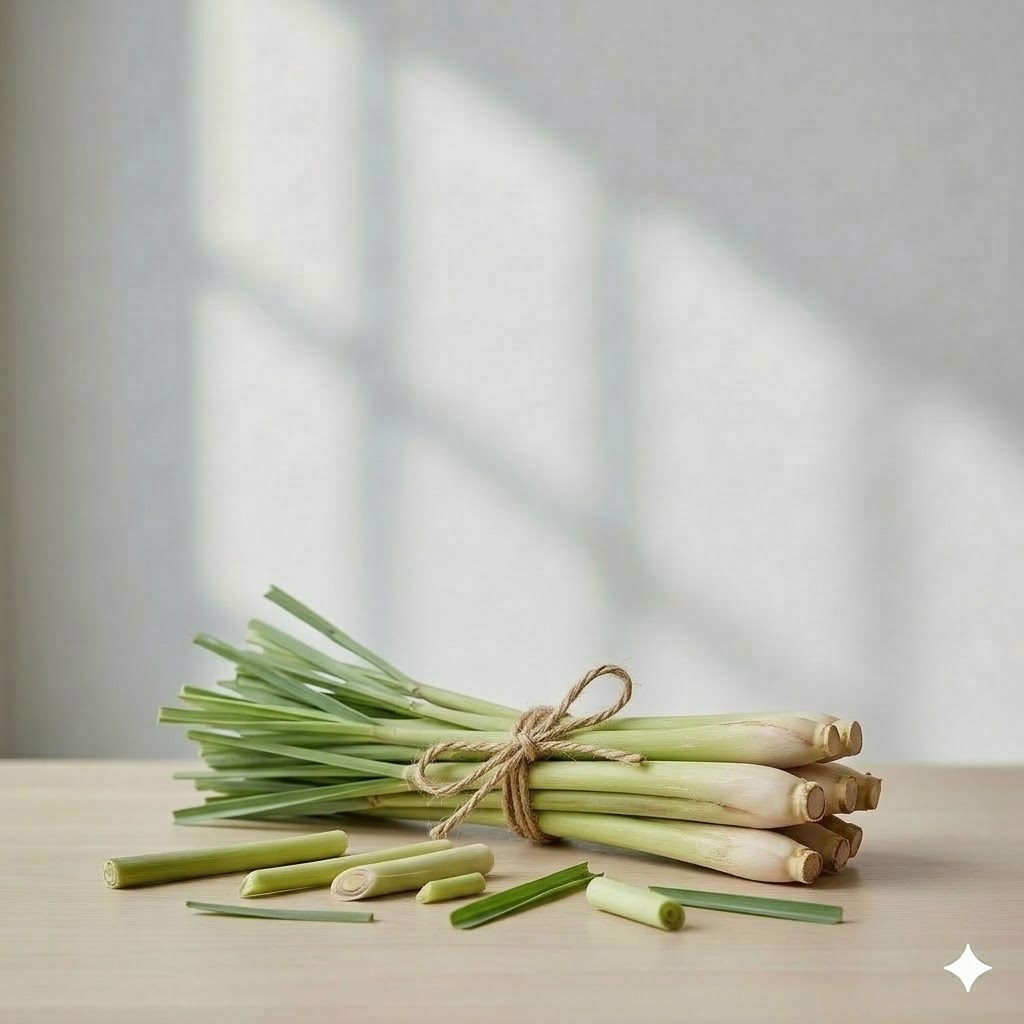
Lemongrass essential oil is a bright, crisp and lemony oil steam-distilled from tall tropical grass, loved for its clean, energising scent in diffusers, home fragrance and summer blends.
Botanical name: Cymbopogon citratus
Aroma: Bright, lemony, grassy and herbal
Note: Top
Main growing region: Tropical regions, widely grown across Asia
Typically extracted: Steam-distilled from the grass
Blends well with: Lavender, Ginger, Geranium, Sweet Orange and Citronella
Top 3 benefits:
- Fresh home air: a clean, sparkling lemony scent that makes a bright addition to diffusers and room sprays.
- Energising scent: many people find its zesty, grassy notes refreshing when the day feels flat or sluggish.
- Summer evenings: a favourite for warm-weather diffuser blends on a covered patio or balcony.
Safety first: lemongrass oil can cause skin reactions in some people, so keep skin use to 0.3% or less (1 drop per 15ml), patch test first, and keep it away from pets and young children. Read the full safety information.
What Is Lemongrass Essential Oil?
Lemongrass essential oil is steam-distilled from the leaves of Cymbopogon citratus, a tall, fragrant tropical grass that is also a staple herb in Southeast Asian cooking. The oil is much more concentrated than the herb, with a bold, lemony scent that is sharper and more grassy than a lemon peel.
Its fresh character comes mainly from citral, a blend of geranial and neral, which gives the oil its bright lemon aroma, with myrcene adding a soft herbal edge. Citral is also what makes lemongrass oil potent on the skin, so it is best used in small amounts: in short diffuser sessions, room sprays and very well-diluted blends.
Benefits and Traditional Uses
The science: lemongrass has a clean, powerful citrus-herbal aroma that makes it a popular choice for scenting the home. Its citral content is what gives it that sparkling lemon character, so even a few drops go a long way.
How to use (the linen mist): add 6 drops to 100ml of water with a tablespoon of witch hazel in a glass spray bottle (about 0.3%). Shake well before each use, mist the air or lightly mist linens, and test a hidden patch of fabric first.
The science: bright, citrus-style aromas are traditionally associated with a feeling of freshness and alertness. Research on aromatherapy is limited, so think of lemongrass as a pleasant part of your routine rather than a treatment for tiredness or low mood.
How to use (the morning lift): diffuse 2 drops of lemongrass with 2 drops of Sweet Orange in a ventilated room for 30 to 60 minutes while you work.
The science: lemongrass is a classic summery scent, and its bright, grassy notes suit outdoor spaces and warm evenings. It is enjoyed here as a fresh fragrance, and it should not be relied on as protection against anything.
How to use (the patio diffuser): add 3 drops of lemongrass and 2 drops of Citronella to a diffuser on a covered patio table, well away from pets and not directly beside anyone sitting.
How to Use Lemongrass Essential Oil
| Method | Instructions | VivaForte tip |
|---|---|---|
| Diffusion | 3 to 4 drops in an ultrasonic diffuser, in sessions of 30 to 60 minutes in a ventilated room. | Ideal on a covered patio. Keep babies, young children and pets out of the room. |
| Inhalation | 1 drop on a tissue or cotton ball, held a little way from the face. | Keep it off your skin and away from children. |
| Topical | Maximum 0.3% dilution (about 1 drop per 15ml of carrier oil). | Patch test first, and avoid the face, sensitive areas and broken skin. |
| Home and surfaces | 6 drops in 100ml of water with a tablespoon of witch hazel (about 0.3%). | Shake before each use and test a small hidden area first. |
| Blending | 1 to 2 drops added to a diffuser blend as a bright top note. | Pair with lavender, geranium or ginger for a rounder, softer scent. |
Lemongrass Safety Information
- Dilute and patch test. Use no more than 0.3% on the skin (about 1 drop per 15ml of carrier oil). Lemongrass oil is rich in citral and may cause skin irritation or an allergic skin reaction, so patch test first and stop using it if irritation occurs. Avoid sensitive or damaged skin, and do not use it neat.
- External and aromatic use only. Do not swallow essential oils.
- Pregnancy, breastfeeding and health conditions. Speak to a healthcare professional before use if you are pregnant or breastfeeding, have a medical condition, or take regular medication.
- Children. Not recommended for young children. Keep it out of their reach, and do not use it on or near the face of babies or young children.
- Pets. Lemongrass oil can be harmful to pets, particularly cats and dogs. Ventilate the room, let animals leave when diffusing, and do not apply it to or near them.
- Chemical profile. High in citral (geranial and neral), with myrcene.
For general guidance on dilution, patch testing and sun safety, read our Essential Oil Safety guide.
History and Heritage
Lemongrass is a tropical grass that has long been grown across southern and Southeast Asia. In the kitchens of Thailand, Vietnam and nearby countries it is a familiar herb in soups, curries and teas, and it has a long place in the traditional home remedies of those regions.
Today lemongrass is cultivated in many warm countries, and its oil is widely used in soaps, candles, perfumery and home fragrance. Its bright, citral-rich scent has made it a lasting favourite wherever a clean lemon note is wanted.
Lemongrass Essential Oil FAQs
Is lemongrass essential oil safe to use on the skin?
Only when very well diluted. Keep skin use to 0.3% or less (about 1 drop per 15ml of carrier oil), patch test first, avoid the face and broken skin, and stop if irritation occurs. Never use it neat.
Is lemongrass oil safe around pets?
Take care. Lemongrass oil can be harmful to pets, especially cats and dogs. If you diffuse it, use a ventilated room, let animals leave freely, and never apply it to their skin or fur.
Is lemongrass oil safe during pregnancy?
Speak to your midwife, doctor or a qualified aromatherapist before using lemongrass oil while pregnant or breastfeeding. Guidance varies, so it is best to check before using any essential oil at this time.
What does lemongrass smell like and what blends with it?
It smells bright, lemony and grassy, with a herbal edge. It blends well with Lavender, Ginger, Geranium and Sweet Orange.
What is the difference between lemongrass and citronella?
Both are Cymbopogon grasses with fresh, lemony scents. Lemongrass is richer in citral and smells sharper and more lemony, while citronella is higher in citronellal and smells greener and slightly more woody.
Continue Exploring
- Citronella: a related grass oil with a greener, more woody freshness.
- Lemon Myrtle: another strongly lemony oil, rich in citral.
- Lemon: a softer, sweeter citrus for gentler diffuser blends.
- Essential Oil Safety: dilution, patch testing and sun safety explained.
- All Single Essential Oils: browse the full VivaForte botanical range.