
Academy › Single Essential Oils › Lemon Myrtle
Lemon Myrtle Essential Oil
Australia’s Golden Citrus Treasure
Lemon myrtle essential oil is an intensely fresh, lemony oil steam-distilled from the leaves of an Australian rainforest tree, loved for its clean, sparkling aroma in diffusers, home fragrance and natural blends.
Botanical name: Backhousia citriodora
Aroma: Intensely fresh, sweet and lemony, with a soft herbal depth
Note: Top
Main growing region: Australia
Typically extracted: Steam-distilled from the leaves
Blends well with: Eucalyptus, Peppermint, Lavender, Tea Tree and Ginger
Top 3 benefits:
- Sparkling fresh scent: a clean, vivid lemon aroma that makes a bright addition to diffuser blends.
- Home fragrance: a popular choice for freshening living spaces, kitchens and linen with a well-diluted spray.
- Uplifting aroma: many people find its sunny, lemony character refreshing when the day feels sluggish.
Safety first: lemon myrtle is a very strong oil that can irritate skin, so keep skin use to 0.3% (1 drop per 15ml) or less, patch test first, and avoid it in pregnancy and around young children and pets. Read the full safety information.
What Is Lemon Myrtle Essential Oil?
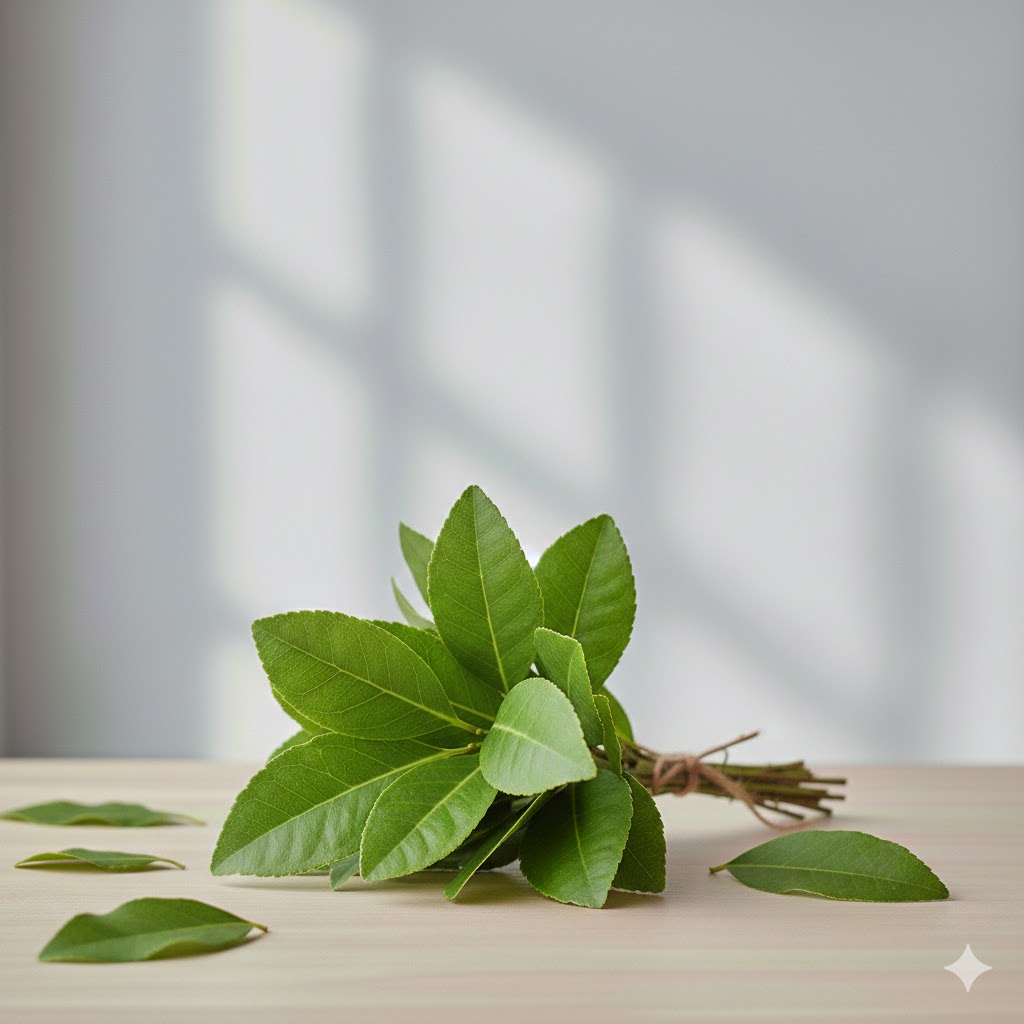
Lemon myrtle essential oil is steam-distilled from the leaves of Backhousia citriodora, a tree in the myrtle family that is native to the subtropical rainforests of Australia. It is sometimes called lemon-scented myrtle, and the leaves are also used as a culinary herb.
Its powerful lemon scent comes from citral, a mix of geranial and neral, which makes up the vast majority of the oil. Because citral is so concentrated, lemon myrtle smells even more lemony than lemon itself, and it needs careful, low-level use. A little goes a very long way.
Benefits and Traditional Uses
The science: lemon myrtle has a clean, vivid aroma, and its main constituent, citral, has shown antimicrobial activity in laboratory studies. That is one reason it is popular in natural home-care recipes, although a pleasant scent is not the same as proven cleaning power.
How to use (the fresh room): diffuse 3 drops of lemon myrtle with 2 drops of Eucalyptus in a well-ventilated room for 30 to 60 minutes, away from pets.
The science: bright citrus aromas are traditionally associated with an uplifting, clearing feeling. Research into aromatherapy is limited, so think of lemon myrtle as a pleasant part of your routine rather than a treatment.
How to use (the morning lift): put 1 drop on a tissue and keep it a little distance away while you work, or diffuse 2 drops with 1 drop of Peppermint in a ventilated room.
The science: lemon myrtle is a radiant top note in natural perfumery and home fragrance, bringing a bright citrus lift to woody, herbal and floral blends. It is very strong, so blend it sparingly.
How to use (the citrus top note): add 1 drop of lemon myrtle to a diffuser blend of 3 drops Lavender and 2 drops Ginger for a bright, clean scent.
How to Use Lemon Myrtle Essential Oil
| Method | Instructions | VivaForte tip |
|---|---|---|
| Diffusion | 2 to 3 drops in an ultrasonic diffuser, in short sessions in a well-ventilated room. | It is very strong, so start with fewer drops. Keep pets out of the room. |
| Inhalation | 1 drop on a tissue or cotton ball, held a little distance away. | Keep it off your skin and away from the eyes. |
| Topical | Maximum 0.3% dilution (1 drop per 15ml of carrier oil). Not for children under 2. | Patch test first. Avoid the face, damaged skin and sensitive skin. |
| Home and surfaces | 5 drops in 100ml of distilled water with a tablespoon of witch hazel (about 0.25%). | Shake before each use and test a hidden area of fabric first. |
| Blending | 1 drop added to a diffuser blend as a bright top note. | Pair with eucalyptus, peppermint, lavender or ginger. |
Lemon Myrtle Safety Information
- Dilute and patch test. Lemon myrtle is a very potent, citral-rich oil that can irritate skin and cause allergic reactions. Published guidance sets a dermal maximum of 0.7%, and we recommend staying below that: use no more than 0.3% (1 drop per 15ml of carrier oil). Patch test first, stop using it if irritation occurs, and avoid sensitive, damaged or diseased skin and the face.
- External and aromatic use only. Do not swallow essential oils. Never apply lemon myrtle undiluted.
- Pregnancy, breastfeeding and health conditions. Avoid during pregnancy and breastfeeding. Some sources also report possible interactions with certain medicines. Speak to a healthcare professional before use, particularly if you have epilepsy, liver problems or another medical condition.
- Children. Keep out of reach of children. Do not use on the skin of children under 2, and do not use on or near the face of babies or young children.
- Pets. Lemon myrtle is not recommended around pets, particularly cats. Ventilate the room, let animals leave freely when diffusing, and do not apply it to or near them.
- Eyes and airways. Avoid contact with eyes and mucous membranes. Keep diffusing short and the room well ventilated, and stop if you notice coughing or irritation.
- Chemical profile. Very high in citral (geranial and neral).
For general guidance on dilution, patch testing and sun safety, read our Essential Oil Safety guide.
History and Heritage
Lemon myrtle is native to the subtropical rainforests of eastern Australia. Indigenous Australians have long used the fragrant leaves, and today they are valued as a culinary herb as well as for the essential oil. The tree is named for the English botanist and nurseryman James Backhouse.
The leaves yield a lemon-scented oil with an especially high citral content. In recent decades it has become a popular ingredient in natural home fragrance, soaps and cosmetics, and it is now grown commercially in Australia and elsewhere.
Lemon Myrtle Essential Oil FAQs
Is lemon myrtle essential oil safe to use on the skin?
Only with great care. It is very strong and can irritate. Keep skin use to 0.3% or less (1 drop per 15ml of carrier oil), patch test first, avoid the face and damaged skin, and do not use it on children under 2.
Is lemon myrtle safe in pregnancy or around pets?
It is best avoided during pregnancy and breastfeeding unless a qualified practitioner advises otherwise. It is also not recommended around pets, especially cats. Ventilate well, let animals leave, and never apply it to them.
What does lemon myrtle essential oil smell like?
It smells intensely fresh, sweet and lemony, often described as stronger and cleaner than lemon itself, with a faint herbal depth. Its aroma is bright and sparkling, so use fewer drops than you would with ordinary citrus oils.
What blends well with lemon myrtle essential oil?
It blends well with Eucalyptus, Peppermint, Lavender, Tea Tree and Ginger.
How is lemon myrtle different from lemon essential oil?
Lemon oil is cold-pressed from the peel and is made up mostly of limonene. Lemon myrtle is steam-distilled from leaves and is very high in citral, so it smells stronger and needs much lower dilution on the skin.
Continue Exploring
- Lemon: a gentler citrus classic with a softer, peel-fresh scent.
- Lemongrass: another citral-rich oil with a grassy lemon character.
- Litsea Cubeba: a sweet, citral-rich lemony oil with a fruity edge.
- Essential Oil Safety: dilution, patch testing and sun safety explained.
- All Single Essential Oils: browse the full VivaForte botanical range.