
Academy › Single Essential Oils › Litsea Cubeba
Litsea Cubeba Essential Oil
The Bright Spirit of Exotic Citrus
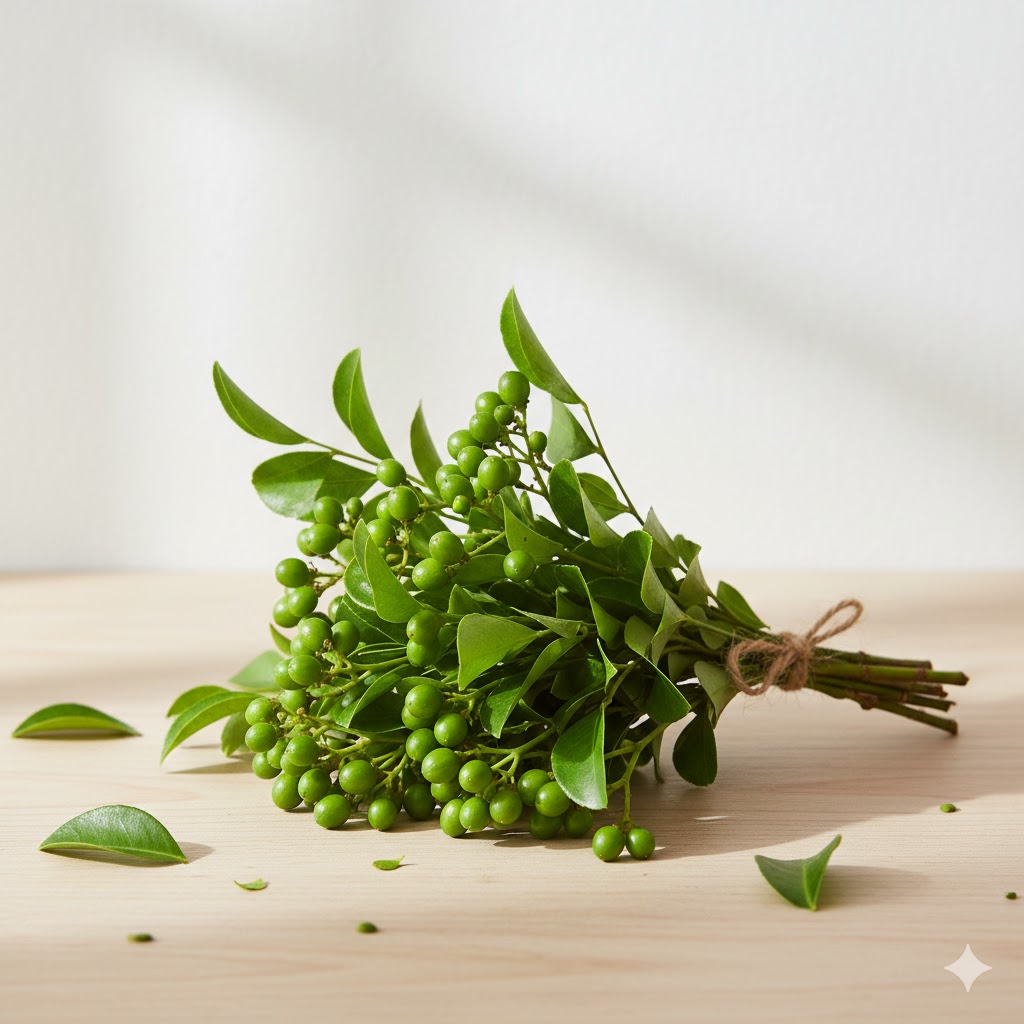
Litsea cubeba essential oil, also known as May Chang, is a sparkling, lemony oil steam-distilled from small pepper-like fruits, loved for its fresh citrus scent in diffusers, home fragrance and natural blends.
Botanical name: Litsea cubeba (May Chang)
Aroma: Bright, lemony, sweet and fruity with a green edge
Note: Top
Main growing region: Southern China and South-East Asia
Typically extracted: Steam-distilled from the small pepper-like fruits
Blends well with: Bergamot, Lavender, Cedarwood, Frankincense and Black Pepper
Top 3 benefits:
- Sparkling citrus scent: a vivid, lemon-like aroma with a sweet, fruity softness that brightens any room.
- Uplifting atmosphere: many people find its fresh, joyful scent a pleasant lift in the morning or during a busy afternoon.
- Blending companion: adds a clean citrus top note to woody, floral and spicy blends and to homemade room sprays.
Safety first: litsea cubeba is very high in citral, so keep skin use to 0.8% or less (about 2 drops per 15ml of carrier oil), patch test first, and avoid it during pregnancy. Read the full safety information.
What Is Litsea Cubeba Essential Oil?
Litsea cubeba essential oil is steam-distilled from the small, pepper-like fruits of Litsea cubeba, a tree native to southern China and South-East Asia. It is widely known as May Chang, and sometimes as mountain pepper. Despite its common names, the oil smells nothing like pepper: it is a clean, lemony top note with a sweet, fruity softness.
Its fresh character comes mainly from citral, a pair of lemon-scented compounds (geranial and neral), often accompanied by limonene. Citral is powerful, which is why a little goes a long way in a diffuser, and why careful dilution matters for skin.
Benefits and Traditional Uses
The science: bright citrus aromas are traditionally associated with a fresh, uplifting feeling, and litsea cubeba is a favourite for lively blends. Research into aromatherapy is limited, so enjoy it as a pleasant part of your routine rather than a treatment.
How to use (the morning lift): diffuse 3 drops of litsea cubeba with 2 drops of Bergamot in a ventilated room while you get ready for the day.
The science: litsea cubeba has a clean, powerful lemon scent that suits kitchens, bathrooms and hallways. Its main constituent, citral, has shown antimicrobial activity in laboratory studies, but at home it is best seen as a way to freshen the air.
How to use (the citrus room mist): add 6 drops to 100ml of distilled water with a tablespoon of witch hazel in a glass spray bottle (about 0.3%). Shake before each use, mist into the air rather than onto skin, and test fabrics on a hidden spot first.
The science: as a top note, litsea cubeba adds sparkle to heavier woods, resins and spices. It tends to fade quickly, which makes it ideal for livening up a blend.
How to use (the bright wood blend): combine 2 drops of litsea cubeba, 3 drops of Cedarwood and 2 drops of Frankincense in a diffuser for a fresh, woody and resinous atmosphere.
How to Use Litsea Cubeba Essential Oil
| Method | Instructions | VivaForte tip |
|---|---|---|
| Diffusion | 3 to 4 drops in an ultrasonic diffuser, in short sessions in a well-ventilated room. | Strong scent, so start low. Avoid if pregnant. |
| Inhalation | 1 drop on a tissue or cotton ball kept nearby. | Keep it off your skin and away from young children. |
| Topical | Maximum 0.8% dilution (about 2 drops per 15ml of carrier oil, or 4 drops per 30ml). | Patch test first and avoid the face and broken skin. |
| Home and surfaces | 6 drops in 100ml of distilled water with a tablespoon of witch hazel (about 0.3%). | Shake before each use and test a small hidden area first. |
| Blending | 1 to 2 drops added to a diffuser blend as a bright top note. | Pair with bergamot, cedarwood or frankincense. |
Litsea Cubeba Safety Information
- Dilute and patch test. Litsea cubeba is very high in citral and can sensitise skin. Use no more than 0.8% on the skin (about 2 drops per 15ml of carrier oil). Patch test first, avoid the face, sensitive skin and damaged skin, and stop using it if irritation occurs.
- External and aromatic use only. Do not swallow essential oils.
- Pregnancy and breastfeeding. Litsea cubeba is generally advised against during pregnancy. Please avoid it if you are pregnant, and speak to a healthcare professional about use while breastfeeding.
- Health conditions and medication. Speak to a healthcare professional before use if you have a medical condition, sensitive or reactive skin, or take regular medication.
- Children. Keep out of reach of children, and do not use on or near the face of babies or young children.
- Pets. Strongly scented citrus-type oils can upset pets, particularly cats. Ventilate the room when diffusing, let animals leave freely, and do not apply the oil to or near them.
- Chemical profile. Very high in citral (geranial and neral), with limonene.
For general guidance on dilution, patch testing and sun safety, read our Essential Oil Safety guide.
History and Heritage
Litsea cubeba is a small tree or shrub of the laurel family that grows wild across southern China and parts of South-East Asia. The name May Chang is generally explained as coming from Chinese, and the tree is also known as mountain pepper because its tiny round fruits resemble peppercorns, although they are unrelated to true pepper.
The fruits and other parts of the tree have been used in traditional practices in the regions where it grows, and the distilled oil became valued as a natural source of citral. Today it is a popular lemon-scented oil in aromatherapy, natural perfumery, candles and soap making.
Litsea Cubeba Essential Oil FAQs
Is litsea cubeba essential oil safe to use on the skin?
Only when well diluted. It is very high in citral, which can sensitise skin, so keep skin use to 0.8% or less (about 2 drops per 15ml of carrier oil), patch test first, and avoid the face and broken skin.
Is litsea cubeba safe during pregnancy?
It is generally advised against. Please avoid litsea cubeba if you are pregnant, and speak to a healthcare professional before using any essential oil while pregnant or breastfeeding.
Is litsea cubeba safe around pets?
Take care. Strongly scented citrus-type oils can upset pets, especially cats. Diffuse briefly in a ventilated room, let animals leave freely, and never apply the oil to their skin or fur.
What does litsea cubeba smell like and what blends with it?
It smells bright and lemony, with a sweet, fruity softness. It blends well with Bergamot, Lavender, Cedarwood and Frankincense.
Is litsea cubeba the same as May Chang?
Yes. May Chang is the common name for Litsea cubeba, and the oil is sometimes called mountain pepper. It is not related to black pepper and its aroma is lemony, not spicy.
Continue Exploring
- Lemongrass: another citral-rich, lemony oil with a grassy character.
- Lemon: the classic fresh citrus for bright diffuser blends.
- Bergamot: a softer, floral citrus that pairs beautifully with litsea cubeba.
- Essential Oil Safety: dilution, patch testing and sun safety explained.
- All Single Essential Oils: browse the full VivaForte botanical range.