Essential Oils 101: A Friendly Beginner’s Guide
If you have ever peeled an orange and caught that bright burst of scent, you have already met an essential oil. Those tiny droplets in the peel are exactly what we bottle. This guide covers everything you need to get started with confidence.
What is an essential oil?
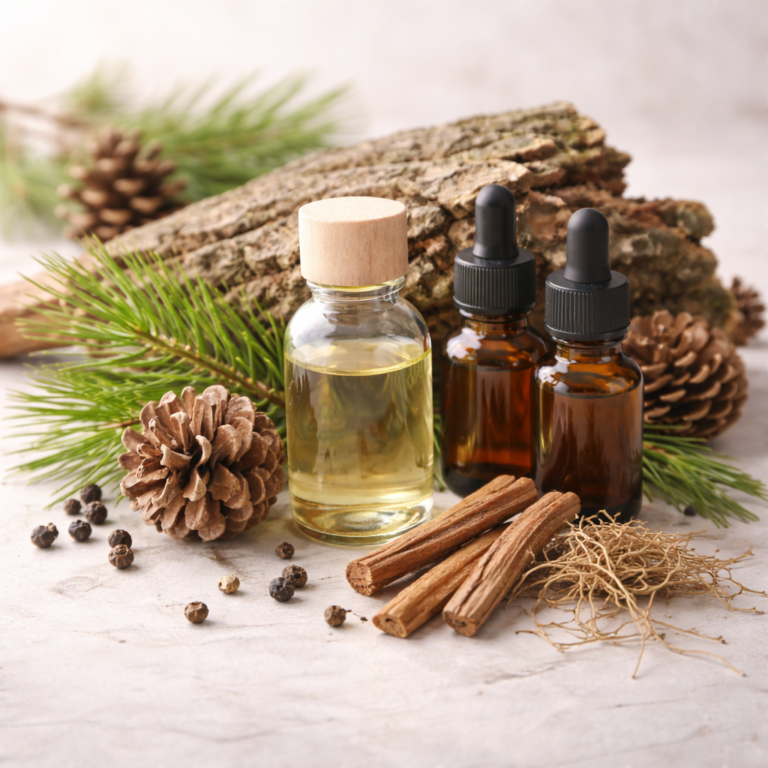
An essential oil is the concentrated aromatic part of a plant. It can come from flowers (lavender, ylang ylang), leaves (eucalyptus, peppermint), peel (lemon, bergamot), wood (cedarwood, sandalwood), roots (vetiver, ginger), seeds (cardamom, coriander) or resin (frankincense, myrrh). Each one carries the signature scent of the plant it came from, in a very concentrated form.
How are they made?
- Steam distillation: the most common method. Steam passes through the plant material, carries the aromatic molecules away, and the oil separates from the water as it cools.
- Cold pressing: used for citrus fruits. The peel is pressed to release the oil, which is why citrus oils smell so fresh and true to the fruit.
- Absolutes and CO2 extracts: delicate flowers such as jasmine and rose, and ingredients like vanilla, are too fragile for steam, so gentler extraction methods are used.

Three easy ways to use them
1. In a diffuser
The simplest place to start. Add a few drops to the water in an ultrasonic diffuser and enjoy the aroma for 30 to 60 minutes in a well-ventilated room. Our diffuser guide walks you through it.
2. On the skin, always diluted
Essential oils are far too strong to use neat. Mix them into a carrier oil such as sweet almond or jojoba first. Our dilution guide shows exactly how many drops to use.
3. Ready-made blends
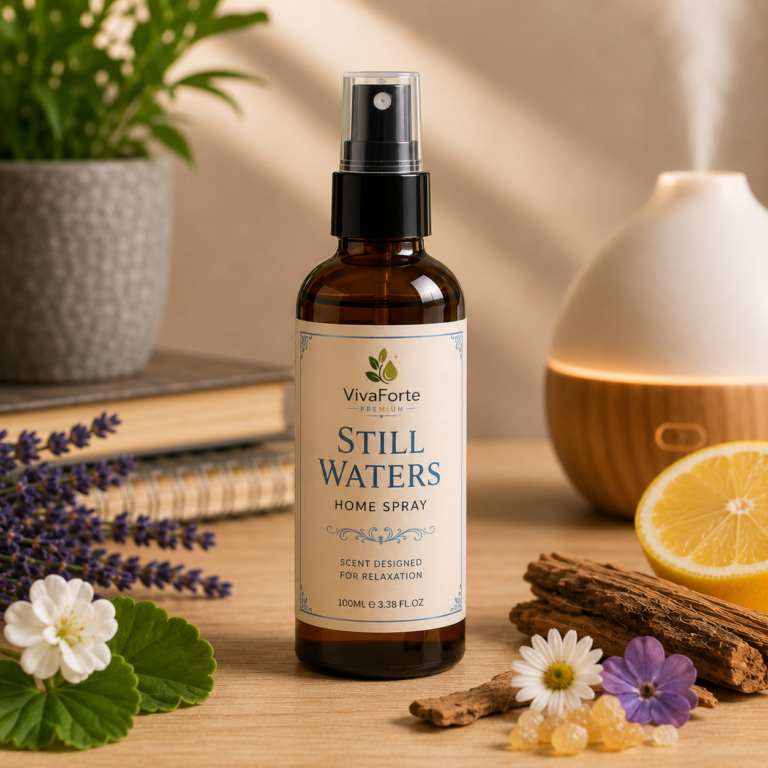
If you would rather skip the measuring, our essential oil blends come ready to enjoy as roll-ons, body sprays, home sprays, candles, massage oils and diffuser blends.
A great first collection
- Lavender: soft, floral and endlessly versatile.
- Sweet Orange: cheerful, juicy and loved by almost everyone.
- Peppermint: crisp, cool and wonderfully fresh.
- Eucalyptus: clean, green and invigorating.
- Cedarwood: warm and woody, a lovely base for blending.
With these five you can create bright morning blends, calm evening blends and fresh, clean home scents.
Storing your oils
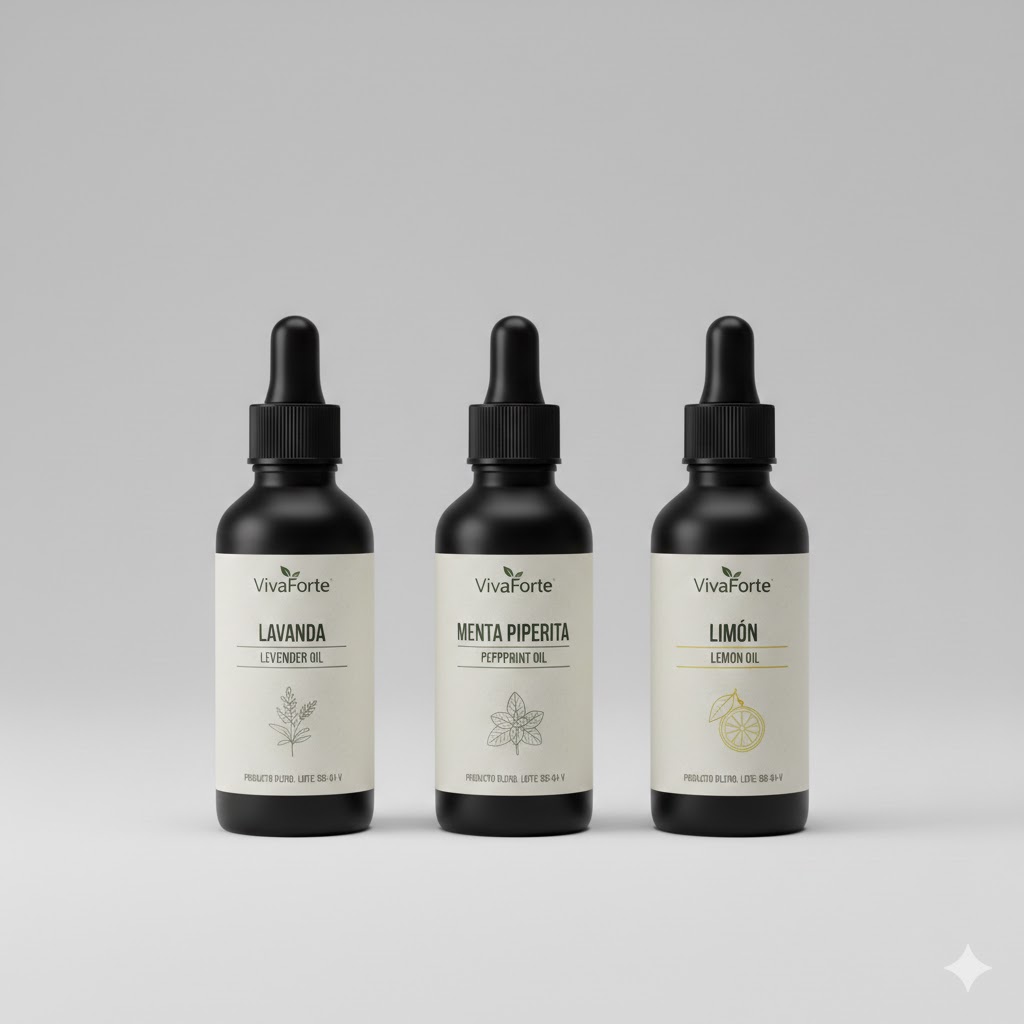
Keep bottles tightly closed, upright and away from heat and sunlight. Our dark glass bottles help protect the oil from light. Most oils keep their best aroma for two to three years, while citrus oils are best used within a year or so of opening.
A few golden rules
- Never swallow essential oils.
- Always dilute before skin use and patch test first.
- Keep bottles out of reach of children and pets.
- Take extra care with citrus oils on skin in the sun.
For the full picture, read our essential oil safety guide, or use Find Your Ritual to discover which oils suit you.
Essential oils are not medicines and are not intended to diagnose, treat, cure or prevent any condition. If you are pregnant, breastfeeding or have a medical condition, speak to a healthcare professional before use.